Skip to content
Ant — Pest Control

Pest Control · St Paul, NE

Pest Control in St. Paul, NE - Ant & Bed Bug Treatment

Howard County Courthouse anchors a community where older homes and historic brick businesses can present different access points for pest inspection. Our crew serves St. Paul properties with inspection-led plans, clear treatment explanations, and follow-up when monitoring calls for it.

  • Serving since 2015
  • Nebraska-licensed pesticide applicators
  • Insured pest control operations
  • National Pest Management Association membership

Request a quote

Tell us what you need and we will call you back.

Request a quote

Late-summer heat can speed up pantry pest activity, so check opened dry goods and keep sealed packages in closed containers. Cold snaps can push rodents indoors; look for small gaps near pantry shelves and utility lines before signs spread. Winter snowfall can also limit access around a building’s exterior, so we plan exterior checks around safe, clear routes rather than rushing a treatment. We work with homeowners and local businesses, matching the inspection to the structure and pest activity. Our team explains what we find and what you can do next. Paul.

Who Serves St. Paul Pest Control Customers

The Howard County Courthouse stands near the center of St. Paul, where historic brick commercial buildings and older frame houses call for careful inspection of different openings and harborage areas.

Freeze-thaw cycles may open foundation cracks, so our crew checks basement walls and utility penetrations instead of treating only the room where pests appeared. Heavy rain can displace ants and other insects toward indoor shelter; a short check along door thresholds can help you spot a new trail.

Paul for more than 11 years. Hail and thunderstorms can damage screens or siding, leaving entry points that are easy to overlook; our Nebraska-licensed pesticide applicators inspect first, explain the plan, and arrange scheduling around site conditions. Expect a clear account of findings, treatment choices, and any follow-up needed.

Pest Control Technician — Residential Service

Which Pest Control Problems Need Attention in St. Paul?

Mosquitoes can develop in standing water, so humid summer periods around St. Paul make a check of buckets, saucers, and clogged drains a useful first step.

Our crew identifies likely breeding areas and checks whether a treatment is appropriate. Severe thunderstorms in warmer months can also leave damaged screens; look for tears before insects enter.

Near the Howard County Courthouse, our inspections address the specific building rather than assuming every property has the same entry routes.

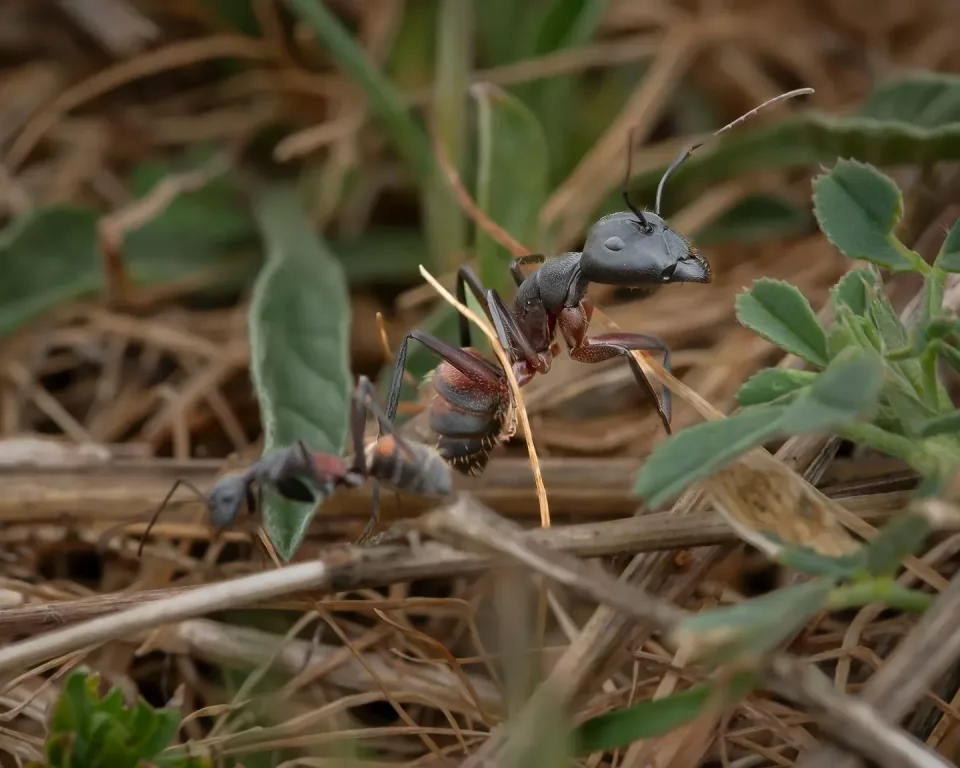
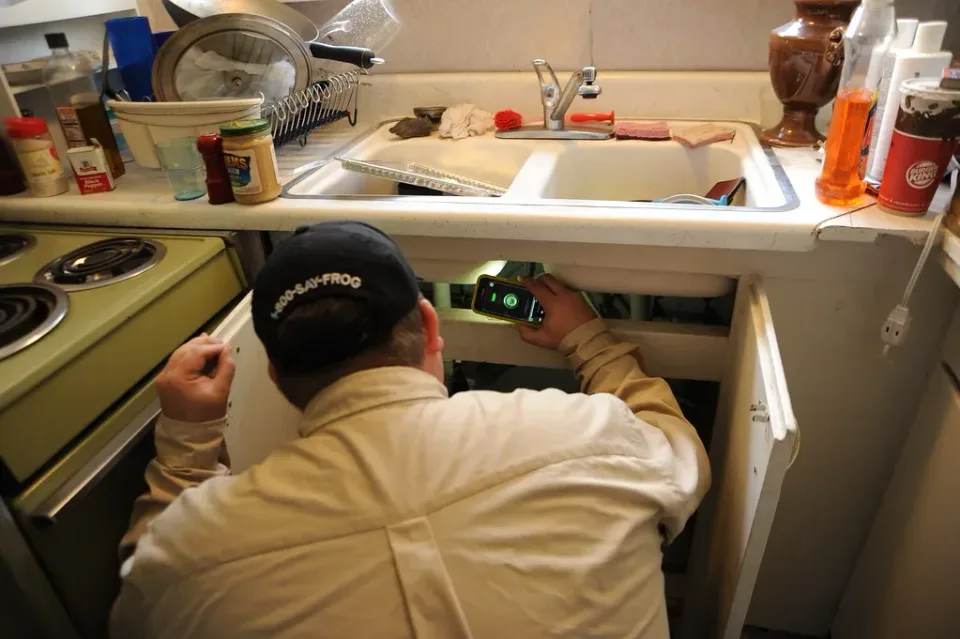
Ant trails on kitchen counters may follow rain-driven insect movement; wipe the trail, then check nearby windows and door edges while we trace activity. Cockroaches near kitchen drains call for inspection around plumbing and accessible harborage; clear the under-sink cabinet so our team can examine it. We serve St. Paul, NE. Pest identification comes before treatment selection.

How Rapid Temperature Changes Affect St. Paul Pest Checks

Rapid temperature changes can expose entry gaps around St. Paul homes, so check door sweeps and visible utility openings after a sharp weather shift. The Howard County Courthouse gives our crew a clear local reference point when coordinating visits, but each inspection focuses on the property’s own access and pest evidence.

Spring rainfall can leave standing water in containers and low spots; empty small containers you can safely reach, since mosquitoes can develop in that water. Bed bug interceptors placed beneath bed legs can help show whether activity is reaching a sleeping area, but they do not replace a full inspection.

If you need product-use or exposure information, the National Pesticide Information Center is a resource for pesticide questions. Our team explains what we observe and recommends a practical next step for the St. Paul property.

What Pesticide Rules Apply to St. Paul Properties?

Pesticide use in St. Paul must follow the product label; the Howard County Courthouse is a local reference, not the source of pesticide rules. Our first step is confirming the pest identification before selecting a treatment, which helps avoid applying a product for the wrong insect or rodent.

EPA pesticide container disposal instructions also matter: do not reuse containers or put them in household recycling unless the label permits it. We explain the product directions, any preparation needed, and safe disposal steps before work begins.

Why us

Local Pest Control in St. Paul, NE

Get clear advice and treatment shaped around your pest and property.

Clear Scope First

A technician inspects affected areas, confirms the pest, and explains treatment options in plain language. You can discuss the proposed scope before treatment begins, with a plan based on the inspection.

Coordinated Follow-Up

Service is scheduled across Nebraska by region, with routes and follow-up visits coordinated so you know what to expect. The team can schedule another visit when inspection findings call for one.

Our process

How a visit works

Each visit starts with the pest and property, then moves through a clear treatment plan.

01

Share the Concern

Tell the team what you have noticed and where activity appears. This gives the technician useful context and helps prepare for an inspection focused on the affected areas.

02

Inspect and Identify

A technician checks the affected areas and confirms pest identification before selecting treatment. You get a clearer understanding of what is present and what the findings suggest.

03

Agree on Treatment

The technician explains suitable treatment options and the proposed scope in plain language. You can discuss what the plan covers and any preparation or reentry directions that apply.

04

Treat and Follow Up

The team applies the selected treatment according to label directions and explains any precautions. If inspection findings warrant another visit, the team coordinates follow-up so you know what to expect.

Typical jobs

Typical jobs in St. Paul, NE

Across pest control calls, the most common reasons people reach out are general pest control, rodents and ants.

Typical job

Property owners report bed bugs in an

A technician inspects the affected areas, confirms pest identification, and explains treatment options, including what the proposed heat treatment would involve. The owner gets a clearer scope for the property and can prepare by following the technician’s directions for access and treated areas.

Typical job

Residents report a bald-faced hornet nest hanging

The crew checks the nest location and surrounding access, then explains the treatment approach suited to the reported pest and property. The customer understands the intended work and any area precautions to follow while the treatment is carried out.

Through the year

Pest Control Through the Year

Spring

Severe spring thunderstorms can leave damp areas around a property and expose gaps near roofs or foundations. An inspection can check affected areas and help address pest activity before it spreads indoors.

Summer

Hot summer afternoons can push pests toward shaded, cooler spaces inside buildings. Consider an inspection if activity appears indoors, and share any recurring locations so the treatment plan fits the property.

Fall

As outdoor conditions change, pests may seek sheltered places around buildings. Check for activity near entry points and arrange an inspection when signs appear, so treatment can be matched to the pest and affected areas.

Winter

Winter cold snaps can drive pests toward warmer indoor spaces, while high winds may reveal gaps around a property. An inspection can assess reported activity and help determine treatment options for the building.

Before you hire

Questions to Ask Before Hiring

Q1

What access or preparation is needed?

Some treatments require access to affected areas or securing food, dishes, and pet bowls. Ask for instructions in advance so you can prepare the property and follow any reentry directions.

Q2

Are follow-up visits or contract terms included?

Ask when another visit may be recommended and what the service agreement says about follow-up. Understanding those terms helps you know what to expect if inspection findings call for additional attention.

Ready to get started?

Call to talk through your job in St Paul.

11+

Years serving St Paul

40

Areas served

FAQ

Pest Control FAQs in St Paul, NE

Straight answers for customers in St Paul on pricing, delivery, and scheduling.

What should I check first if I find pests in my St. Paul home?

Note where and when you see activity, then check nearby food storage, drains, door edges, or visible foundation openings without disturbing nests or applying an unidentified product. In St. Paul, our team inspects the building and confirms the pest before recommending treatment.

How do I prepare for a pest inspection in St. Paul?

Clear the area where you have noticed activity and provide access to relevant rooms, basement spaces, or attic areas. Share any prior pesticide treatment records so our St. Paul crew can factor them into the inspection and treatment plan.

ZIP code

ZIP Codes We Serve in St. Paul, NE

Pest Control covers every ZIP code in St. Paul, NE.

68873
Local Leadership

Meet Your Local Experts

Daniel Mercer Lead Expert

Nebraska Pest Pros

"Practical Pest Control Across Nebraska"

I started in pest control in the Omaha area, learning how older basements, changing weather, and the mix of city and rural properties affect pest problems. I built this company to give Nebraska homeowners and businesses clear advice and dependable treatment, from spring ants to rodents seeking shelter in winter.

11+ years experience Nebraska-licensed pesticide applicators Insured pest control operations National Pest Management Association membership
Get a Quote

Get a Pest Control Quote in St Paul, NE

Share job details below or call our team directly. Phone: (855) 681-0299

Call Us

(855) 681-0299

Our Location

St Paul, NE

Working Hours

Mon–Sun 8am–8pm